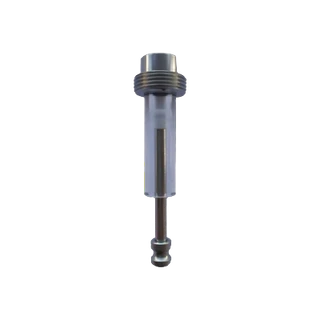
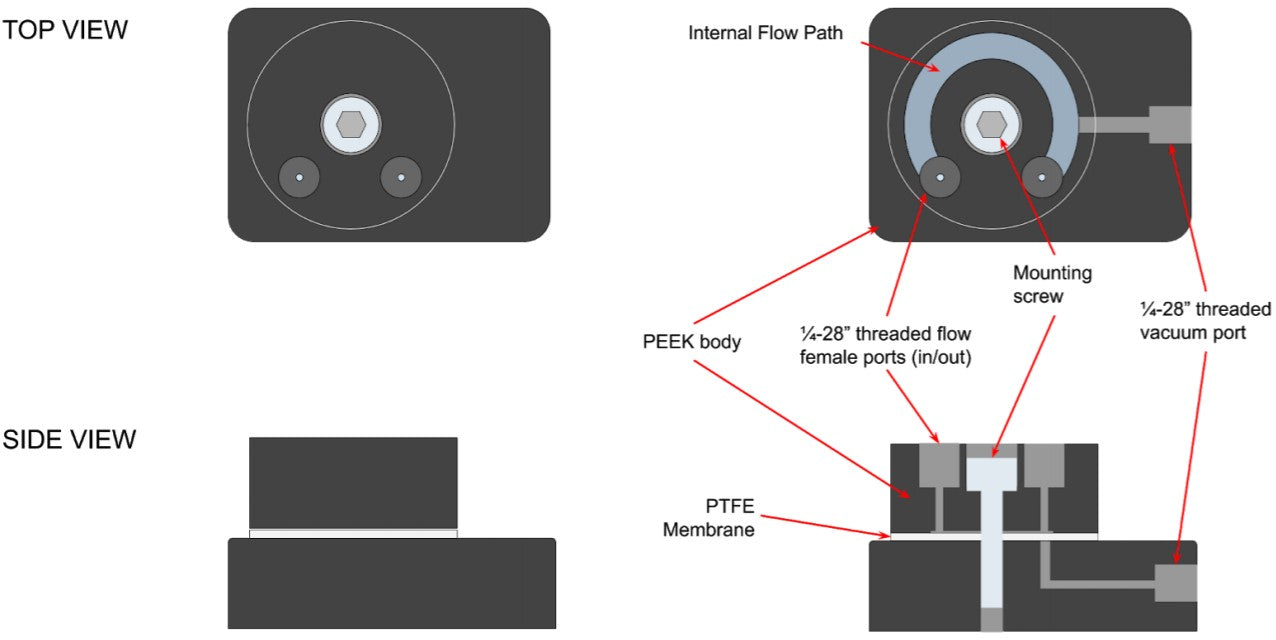
This autoclavable bubble trap is a simple yet effective device to remove the bubbles in your flow stream. Manufactured in PEEK, its body is entirely autoclavable and biocompatible.
Available in 3 versions of the internal volume: 23 µL (S), 95 µL (M), 362 µL (L).
Now:
(Inc. VAT/Tax)
MSRP:
Was:
Now:
$210.10
MSRP:
Was:
(You save)
Product SKU:
Worldwide Express Shipping
Delivery in 1-3 days for products in stock
Simplified Purchasing
Easily request a quote and track your orders.
Outstanding Support
Support by a team of Engineers and PhDs (Inhouse)
Complete Your Setup
Accessories and consumables that work with this product
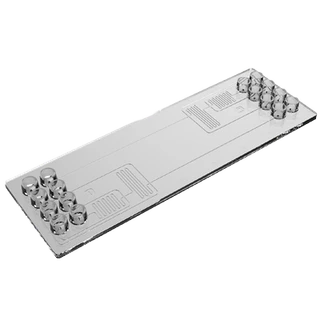
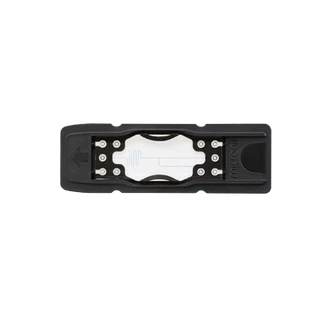
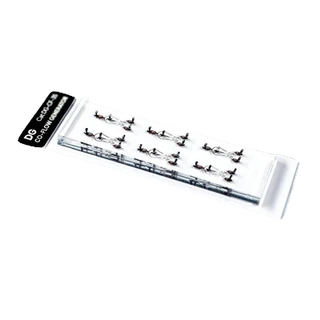
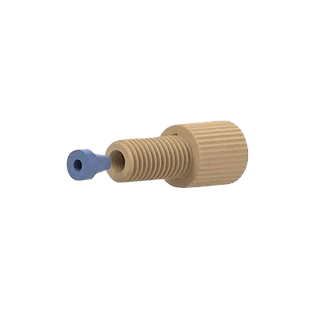
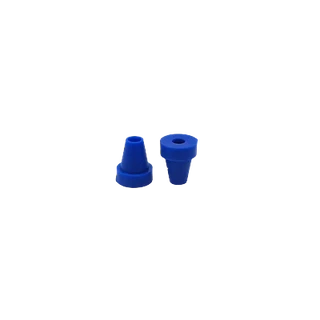
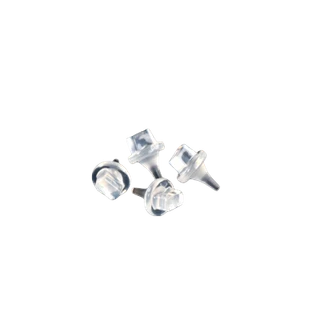
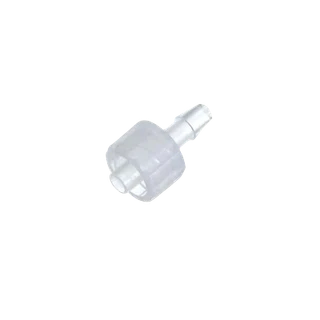
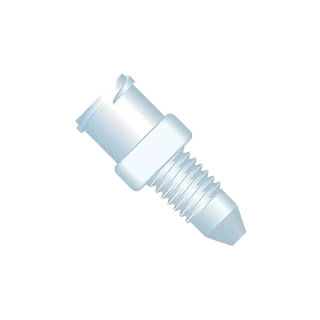
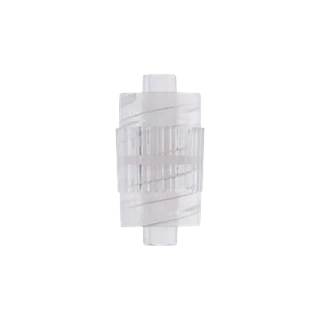
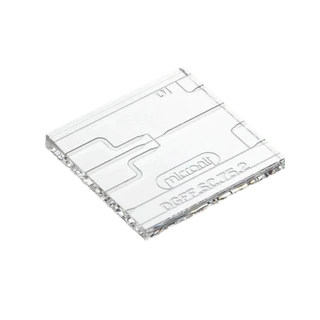
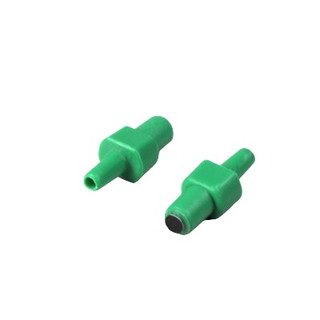
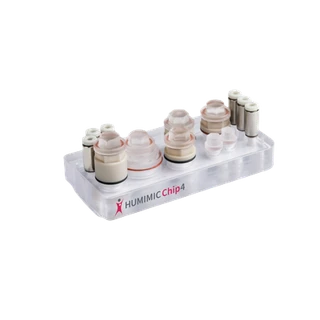
Whereas standard ChipShop connectors only accept soft-walled tubing, this set of connectors allows connecting
any 1/16" OD rigid tubing to a ChipShop chip.
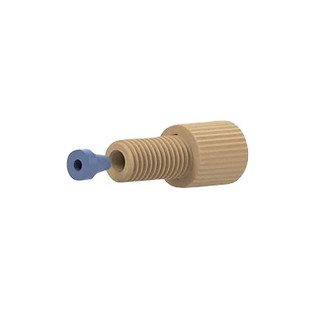
Suitable for rigid tubing (PTFE, PEEK, etc.) with an OD of 1/16" (1.6 mm). Manufactured in blue TPE, max.
pressure of 3.2 bar with a 1/16" OD PEEK tubing.
Plugs to block unused ports are also available in our shop.
See All Availability
Use the filter to narrow your search
This autoclavable bubble trap is a simple yet effective device to remove the bubbles in your flow stream. Manufactured in PEEK, its body is entirely autoclavable and biocompatible.
Available in 3 versions of the internal volume: 23 µL (S), 95 µL (M), 362 µL (L).
General
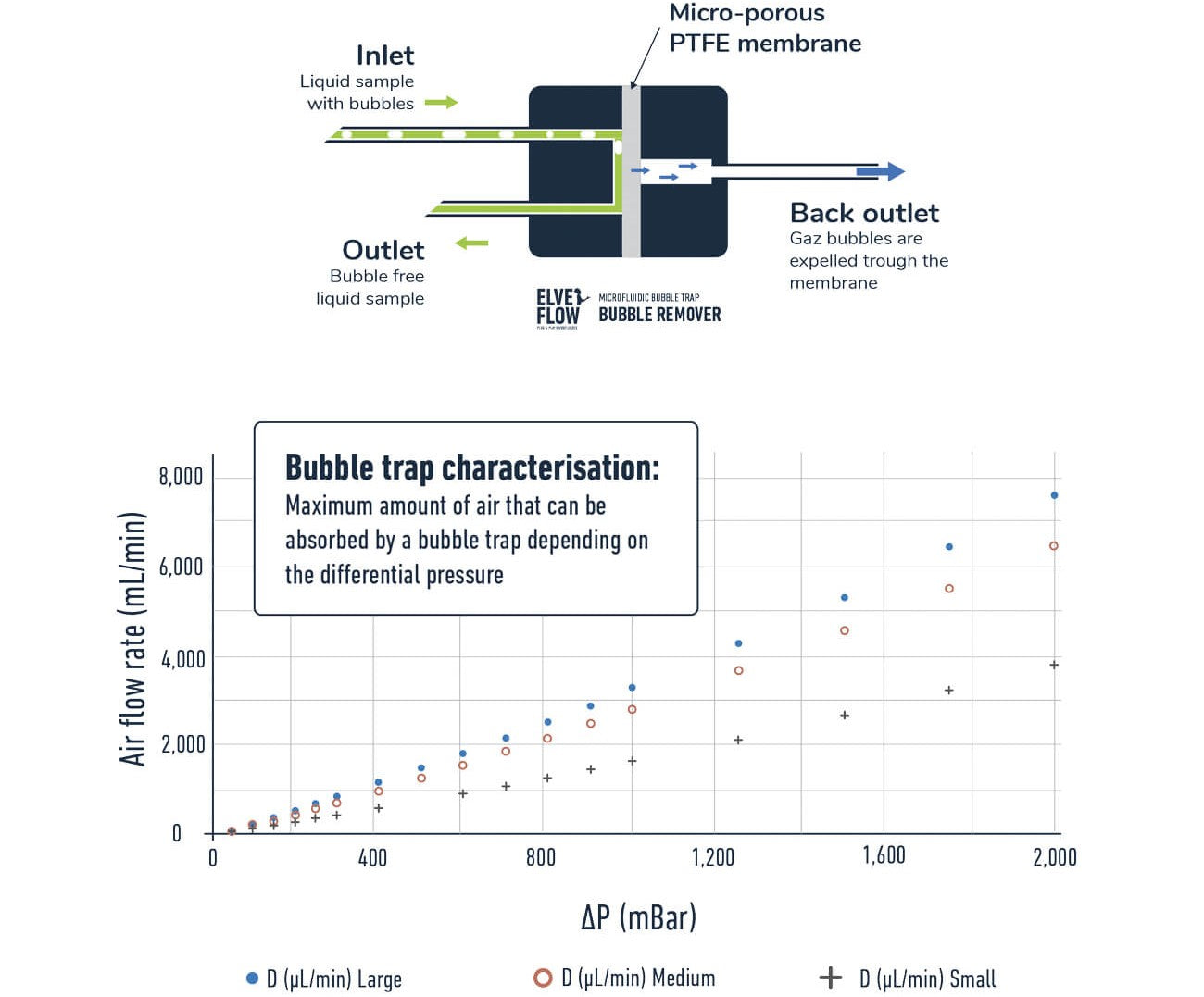
Get rid of bubbles in your flow stream! The bubble trap is a simple device that uses the pressure differential between two sides of a hydrophobic PTFE membrane to remove bubbles from aqueous solutions.
Manufactured in PEEK, this bubble trap is biocompatible and fully autoclavable. The PTFE membrane can be replaced in seconds.
The L-shaped design of the bubble trap makes it easier to stand on a lab bench.
Content
1x Bubble trap body (lower and upper part) in PEEK with membrane mounted
2x 1/4-28 fittings in PFA and ferrules in ETFE for 1/16" OD (1.6mm) tubing
1x M5 mounting screw
2x PTFE membranes
Specifications
Membrane material
PTFE
Body material
PEEK
Membrane pore size
10 µm
Connection ports
1/4-28 UNF
Maximum operating pressure
2 bar (30 psi)
Dimensions (mounted)
47 x 34 x 28 mm
Flow range
5 µL/min up to 6 mL/min (more in active mode)1
Sterilization methods
Autoclave
Internal volume
23 µL (small version)
95 µL (medium version)
362 µL (large version)
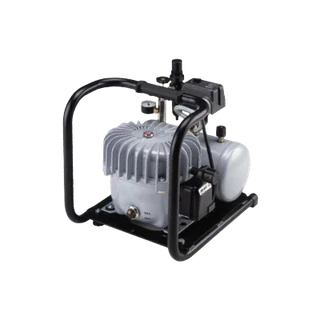
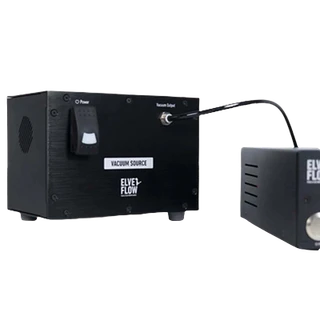
1 In some applications (very low flow rate or high flow rate), you may have to use an external vacuum source to increase the pressure differential between the two sides of the membrane to get a better debubbling efficiency. Use the 1/4-28 UNF air outlet to connect your vacuum source.
Which parameters can I choose when selecting my bubble trap?
The internal volume of the bubble trap is the only parameter you can choose. We have three variants: 23 µL, 95 µL, 362 µL.
Should I select my bubble trap based on the flow rate of my experiment?
The flow rate is not the principal parameter you should take into account when selecting your bubble trap, as each variant of the device works for a large range of flow rates: researchers usually use it for flow rates up to 60 mL/min and down to 5 µL/min. However, the smaller the internal volume, the less efficient the bubble trap will be for higher flow rates (see graph in the main tab).
Which internal volume should I choose, according to my experiment?
A higher internal volume will trap more of your solution inside the bubble trap, and this volume cannot be recovered in output. So if the solution you are using is precious, prefer a lower internal volume. Moreover, if your flow rate is really low, a smaller internal volume will help for the good work of the device. See the graph in "Specifications" for more information.
Which pressure should I apply if I use the bubble trap in active mode?
You can use the bubble trap either in passive or active mode. In active mode, we have tested it for up to 2 bar applied with a vacuum pump. Then, it all depends on your experiment: if only 0.5 bar is needed to remove the bubbles from your solution, then it is not useful to increase the vacuum pressure.
How should I clean my bubble trap?
You can autoclave the bubble trap if you work in sterile conditions, as the bubble trap body is made in PEEK. Always unmount the bubble trap and remove the membrane before autoclaving.
How often should I change the membrane?
As soon as you see a decrease in its efficiency, you can change the membrane of your bubble trap. There is no theoretical duration for each membrane because it all depends on which conditions you use your device.
Can I use this bubble trap with living cells?
Of course! Many researchers use it, and we never had any negative feedback.
Feel free to contact us for any additional questions!
This is a cost-effective solution to register the presence of fluids inside clear tubing. The sensor is able to trigger a signal to another instrument and act accordingly in many ways: stop the flow,...
Additional hydrophobic PTFE membranes for bubble traps. Sold in a pack of 5.
General
Replacement PTFE membranes for bubble trap in in-line bubbles removal protocols (bubble trap not included)...
A bubble trap to remove bubbles from water-based solutions while using Bartels micropumps.
General
Remove bubbles from your flow stream using Bartels micropumps. The bubble trap must be used with a...
Microfluidic valve to use anywhere in your microfluidic setup with the new Elveflow MUX Wire.
The valves are controlled through the new MUX Wire v3 from Elveflow, using a USB-C interface...
Fabricate your microfluidics chips with ease with our PDMS hardener.
Specially formulated to work with common elastomers, this PDMS hardener enables consistent, high-quality fabrication of PDMS...
Now:
(Inc. VAT/Tax)
MSRP:
Was:
Now:
$330.00
MSRP:
Was:
$501.60
Ask An Expert
We will follow up with you via email within one working day
Please fill in the following form:
!
Subscribe to our newsletter
Get the latest updates on new products and upcoming sales
Shop preferences
Prices, taxes and delivery depend on your country.